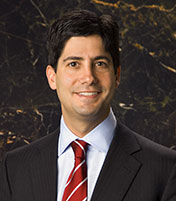
Kevin Warsh: Experience, Policy, and the Future of Fed Rates
The potential appointment of Kevin Warsh as the next Chair of the Federal Reserve by President Donald Trump marks a pivotal moment for the nation’s monetary policy and economic future. With current Fed Chair Jerome Powell's term concluding in May and a backdrop of unprecedented political scrutiny, the selection of Warsh introduces a figure whose extensive experience in finance and policymaking, coupled with a distinct economic philosophy, could significantly reshape the direction of interest rates and the central bank's role. This article delves into Warsh’s background, analyzes his likely policy inclinations, and explores the broader implications of his potential leadership on the U.S. and global economies.
The Road to the Federal Reserve Chair: Kevin Warsh's Extensive Background
Kevin Warsh's resume presents a compelling blend of private sector acumen and high-level public service, making the prospect of a
warsh fed chair nomination particularly intriguing. His career trajectory offers a comprehensive understanding of both market dynamics and the intricate workings of economic policy.
Warsh began his professional journey on Wall Street, specifically at the venerable investment bank Morgan Stanley. This foundational experience immersed him in the fast-paced world of financial markets, providing him with firsthand insight into capital flows, investment strategies, and the mechanisms of global finance. Such a background is invaluable for a Fed Chair, who must understand how monetary policy decisions ripple through markets and impact investor confidence.
Following his time on Wall Street, Warsh transitioned to public service, serving as an economic adviser to President George W. Bush. This role placed him at the heart of economic policymaking during a period of significant global change and domestic challenges, honing his ability to translate economic theory into practical policy recommendations.
However, it was his tenure as a Governor on the Federal Reserve’s Board from 2006 to 2011 that truly solidified his expertise in central banking. Appointed by President Bush, Warsh served during one of the most tumultuous periods in modern financial history: the 2008 global financial crisis. Under then-Chair Ben Bernanke, Warsh played a crucial role in managing the central bank’s unprecedented response, including navigating the implementation of unconventional monetary policies like quantitative easing. This direct experience in crisis management, stabilization efforts, and the strategic deployment of the Fed's toolkit offers a unique perspective on the challenges and responsibilities inherent in leading the institution. He witnessed firsthand the delicate balance required to restore confidence, manage liquidity, and steer the economy away from collapse.
Since leaving the Fed, Warsh has continued to shape economic discourse. He is currently a distinguished fellow at the Hoover Institution, a conservative public policy think tank based at Stanford University. This affiliation underscores his adherence to market-oriented principles and often a more cautious approach to government intervention. Additionally, he works as a partner at the Duquesne Family Office, an investment firm founded by billionaire hedge fund manager Stanley Druckenmiller. These roles keep him intimately connected to financial markets and provide a platform for him to articulate his views on economic policy and global finance. For more on his background and potential impact, you can read
Who is Kevin Warsh? Trump's Fed Chair Pick & His Impact.
Navigating Monetary Policy: Warsh's Stance and Potential Challenges
The appointment of a new Fed Chair always prompts intense speculation about the future direction of monetary policy, and the potential
warsh fed chair nomination is no exception. Given his background, Warsh is generally perceived as leaning towards a more hawkish stance compared to recent Fed Chairs, potentially prioritizing inflation control and a return to more conventional monetary policy tools.
His conservative think tank affiliation and Wall Street background suggest a strong belief in market mechanisms and a likely skepticism towards overly expansive government intervention or sustained periods of ultra-low interest rates. While he helped implement unconventional policies during the 2008 crisis, his post-Fed commentary has often favored a more disciplined approach to the Fed's balance sheet and a readiness to normalize rates when economic conditions permit.
One of the most significant challenges Warsh would face is navigating the complex relationship between the Fed's statutory independence and the political expectations of the executive branch. President Trump has been openly critical of current Chair Jerome Powell's rate hikes, repeatedly expressing a preference for lower interest rates to stimulate economic growth. This sets a precedent for a President who is not shy about voicing his opinions on monetary policy.
The Federal Reserve operates under a dual mandate: to maximize employment and maintain price stability. A Fed Chair must balance these objectives, making decisions based on economic data rather than political expediency. Should Warsh be confirmed, he would likely face intense scrutiny from economists and lawmakers keen for assurances that he would set interest rates strictly based on economic conditions, even if such decisions put him at odds with the President's public preferences. The integrity of the Fed's independence is paramount to its credibility, both domestically and internationally. Any perception that the Fed is swayed by political pressure could destabilize markets and undermine confidence in the U.S. economy.
The Political Landscape: Trump's Choice and the Powell Controversy
President Trump's decision to consider Warsh for the Fed Chair position is steeped in a highly politicized economic environment. For months, Trump had launched "strident criticism" against current Chair Jerome Powell, whom he himself appointed in 2017. While Trump initially lauded Powell as a "consensus builder," their relationship soured over Powell's decisions to raise interest rates, which the President believed were hindering economic growth.
The decision to replace Powell is also framed by a startling development: a federal criminal investigation into Powell concerning alleged false testimony to Congress about the cost of a renovation of the Fed's headquarters. While Powell vehemently denied involvement and labeled the probe an "unprecedented action" taken in the "broader context of the administration's threats and ongoing pressure," the timing and nature of the investigation undoubtedly cast a shadow over his continued leadership. This extraordinary situation created an opening for Trump to seek a new leader for the central bank, with Warsh emerging as the chosen candidate. You can learn more about this dynamic in
Trump's Fed Chair Choice: Kevin Warsh Amidst Powell Scrutiny.
In a social media post, Trump enthusiastically praised Warsh, citing his "experience in the public and private sector" and declaring that he would go down as "one of the GREAT Fed Chairmen, maybe the best." He also characterized Warsh as "central casting," suggesting a preference for a figure who not only possesses the right qualifications but also fits a certain image. This glowing endorsement underscores Trump's confidence in Warsh to align with his economic vision, particularly concerning interest rate policy.
Beyond policy and experience, there's a significant personal connection that may have played a role in the selection. Kevin Warsh is married to Jane Lauder, whose father, Ronald Lauder, is a billionaire heir to the Estée Lauder Companies and a major donor and supporter of Donald Trump. While such connections are common in political appointments, they often invite questions about influence and transparency, adding another layer to the scrutiny surrounding the
warsh fed chair nomination.
Implications for Future Fed Rates and the Economy
A Kevin Warsh-led Federal Reserve would usher in a period of considerable anticipation for financial markets and economists alike. Investors would closely watch his initial public statements and confirmation hearings for clues regarding his approach to interest rates, quantitative easing, and the Fed's overall communication strategy.
Should Warsh adopt a more hawkish stance, prioritizing inflation control and potentially favoring earlier or more aggressive rate hikes than a more dovish counterpart, it could lead to increased market volatility in the short term. Businesses and consumers would adjust their borrowing and spending expectations based on the new Fed Chair's perceived leanings. Conversely, if he were to adhere strictly to economic data and maintain flexibility, it could reassure markets of the Fed's continued independence.
One practical tip for investors and businesses is to closely monitor incoming economic data – particularly inflation figures, employment reports, and GDP growth – as these would be the primary drivers of Warsh's policy decisions. His public addresses and written opinions should also be scoured for indications of his economic philosophy and priorities. Understanding the nuanced language of central bankers is crucial during a leadership transition.
The long-term outlook under Warsh could involve a more proactive approach to normalizing the Fed's balance sheet, potentially signaling a shift away from the expansive monetary policies that have characterized the post-crisis era. This would have ripple effects on bond markets, currency valuations, and global capital flows. His leadership would also be critical in guiding the Fed through potential future economic shocks, requiring a robust understanding of both financial plumbing and macroeconomics.
Conclusion
The prospective
warsh fed chair nomination by President Trump presents a fascinating intersection of experience, policy philosophy, and political dynamics. Kevin Warsh brings a formidable background from Wall Street, the Bush administration, and a critical period on the Federal Reserve Board, positioning him as a highly qualified candidate to lead the nation's central bank. His appointment could signal a shift towards a more traditional, perhaps more hawkish, approach to monetary policy, potentially prioritizing inflation control and a disciplined management of the Fed's balance sheet. However, he would immediately face the significant challenge of upholding the Fed's independence amidst a political climate where presidential expectations for monetary policy have been unusually vocal. The decisions made under Warsh's potential leadership will undoubtedly shape the trajectory of interest rates, influence global financial markets, and ultimately impact the economic well-being of millions, making his selection one of the most closely watched appointments in recent memory.